
Abu Dhabi is one of the most strategic locations in the Middle East for energy and commodities trading. With strong government oversight, modern ports, and global trade links, the emirate offers a stable foundation for companies looking to enter the oil trading sector. This guide explains the full process, authorities involved, structures available, and compliance expectations when starting an oil trading business in Abu Dhabi.
Opportunities of Oil Trading in Abu Dhabi, UAE
Abu Dhabi plays a central role in the regional and global energy ecosystem. The emirate benefits from advanced infrastructure, long-term energy policies, and strong international partnerships, making it attractive for traders dealing in crude oil, refined products, and petroleum derivatives.
Oil trading activities are part of the wider oil business in UAE, supported by deep-water ports, storage facilities, and a well-regulated supply chain. Businesses entering this sector gain access to international buyers, government-backed stability, and long-term commercial opportunities.
Abu Dhabi’s strategic position in global energy markets
Abu Dhabi connects Asian, African, and European energy markets. This positioning allows traders to manage regional supply efficiently while reducing transport time, logistics costs, and market exposure risks.
Growing demand for structured oil trading companies
Global demand for regulated and transparent energy trading continues to rise. Abu Dhabi supports this through licensing systems, compliance frameworks, and investor-friendly policies that attract serious trading firms.
Long-term commercial stability
Unlike speculative markets, oil trading in Abu Dhabi benefits from predictable regulations and government oversight, making it suitable for companies seeking sustainable and scalable operations.
Steps to Start an Oil Trading Business in Abu Dhabi
Starting an oil trading company requires careful planning, regulatory approvals, and financial readiness. Unlike general trading, oil trading is considered a sensitive activity and is closely monitored by multiple authorities.
Define your oil trading activity clearly
You must specify whether your company will handle physical oil trading, brokerage, import/export, or bulk distribution. Authorities assess your license application based on the exact activity description.
Choose the right business jurisdiction
Entrepreneurs can choose between a business setup in Abu Dhabi mainland or a free zone structure, depending on operational needs, market access, and regulatory strategy.
Select the legal structure
Most oil traders operate as a Limited Liability Company (LLC) for flexibility and liability protection. International firms may instead choose a Branch of a Foreign Company to expand existing operations without forming a new legal entity.
Register the company and obtain initial approvals
Trade name reservation, activity approval, and incorporation documents must be submitted to the relevant authority before proceeding to sector-specific permits.
Apply for sector-specific energy approvals
Oil trading often requires additional clearances from energy-related regulators, depending on whether petroleum products are stored, transported, or imported.
Complete customs and logistics registration
If your business involves cross-border movement, customs registration, port approvals, and logistics coordination are mandatory before operations begin.
Government Authorities Involved in Oil Trading Setup
Starting an oil trading company involves more authorities than a standard trading business. Each body plays a specific regulatory role.
Abu Dhabi Department of Economic Development (ADDED)
ADDED is the primary licensing authority for mainland companies and oversees commercial registrations and trade licenses.
Department of Energy – Abu Dhabi
This authority, the Department of Energy – Abu Dhabi, regulates petroleum product trading for non-government entities and issues permits related to storage, transportation, and distribution activities.
UAE Customs Authorities
Customs registration is required for importing or exporting oil and petroleum products through UAE ports.
Financial institutions and compliance bodies
Banks conduct enhanced due diligence before approving accounts for oil trading companies due to the sector’s risk profile.
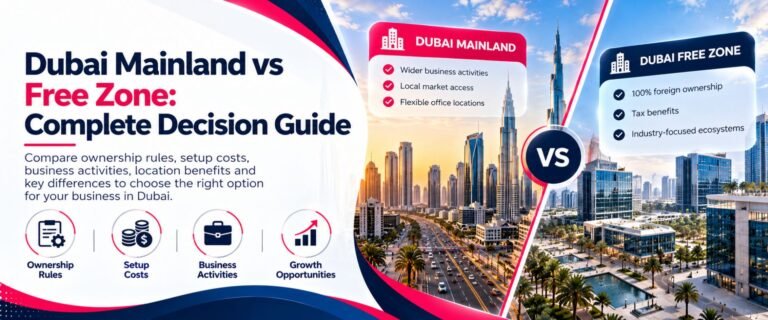
Mainland vs Free Zone Setup for Oil Trading
Choosing the correct jurisdiction is one of the most critical decisions in oil trading setup.
Mainland setup in Abu Dhabi
Mainland companies can trade directly within the local market and contract freely with UAE entities. This structure is often preferred for firms dealing with physical products and local distribution.
Free zone setup in Abu Dhabi
Some investors prefer free zones for simplified incorporation and international trading focus. Free zones also support 100% foreign ownership, which is attractive to overseas investors.
Cost Breakdown for Starting an Oil Trading Business in Abu Dhabi
Starting an oil trading company involves higher costs than standard trading activities due to regulatory oversight, compliance, and banking requirements. The final budget depends on jurisdiction, activity scope, and operational scale.
Company registration and trade license fees
Mainland or free zone registration usually ranges from AED 15,000 to AED 30,000+. This covers trade name reservation, initial approval, and license issuance.
Sector-specific energy approvals
Oil and petroleum-related activities may require additional permits from energy regulators. These approvals can add AED 5,000 to AED 15,000+, depending on the activity type.
Office or registered address costs
A compliant office or registered address is mandatory. Annual lease costs typically start from AED 20,000 and increase based on location and size.
Banking and compliance costs
Banks may charge onboarding and compliance review fees. Expect AED 5,000 to AED 10,000+ for account setup, documentation review, and due diligence.
Customs and logistics registration
If importing or exporting oil, customs registration, port access, and logistics approvals may cost AED 3,000 to AED 8,000+.
Professional and consultancy fees
Legal drafting, compliance structuring, and advisory services can range from AED 7,000 to AED 20,000+, depending on complexity.
Estimated total setup range
Most oil trading businesses should plan for an initial setup budget starting from AED 50,000 and increasing significantly for physical trading or storage-based models.
Full Document Checklist for Oil Trading Business in Abu Dhabi
To avoid delays or rejection, all documents must be accurate, complete, and consistent across authorities.
- Passport copies of all shareholders and directors
• UAE visa copy or entry stamp (if available)
• Emirates ID copy (for UAE residents)
• Trade name reservation certificate
• Initial approval certificate from licensing authority
• Memorandum of Association (MOA) or Branch Resolution
• Board resolution (for corporate or foreign shareholders)
• Certificate of incorporation of parent company (if applicable)
• Shareholder profile and CVs
• Business plan outlining oil trading activities and transaction flow
• Source of funds declaration
• Lease agreement or office address confirmation
• Customs registration application (for import/export activities)
• Energy or petroleum trading permit application documents
• Bank account application forms and compliance questionnaires
Banking and Financial Requirements for Oil Trading
Oil trading businesses face stricter banking requirements compared to other sectors.
Preparing for bank compliance
Banks require detailed documentation including contracts, supplier details, transaction flow, and source of funds explanation.
Opening operational accounts
Opening a corporate bank account for oil trading may take longer due to enhanced checks, so this step should be planned early in the setup process.
Comparing Abu Dhabi and Dubai Oil Trading Models
Some businesses compare Abu Dhabi with Dubai before deciding where to establish operations.
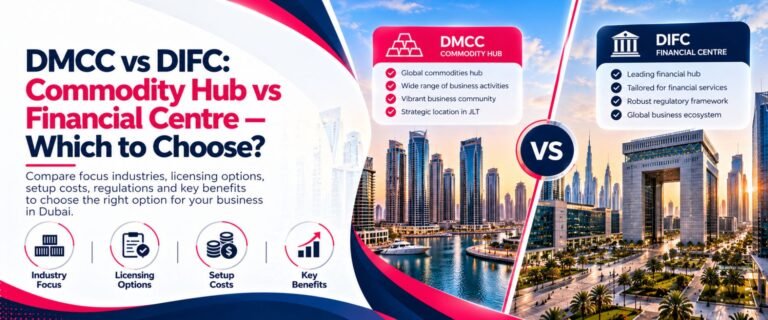
Dubai is known for commodity-focused free zones such as Dubai Multi Commodities Centre (DMCC) and mainland licensing through the Dubai Department of Economic Development (DED). While an oil trading business in Dubai offers strong international exposure, Abu Dhabi provides deeper integration with energy regulators and long-term petroleum infrastructure.
Compliance, Risk, and Operational Planning
Oil trading companies must maintain strict internal controls.
Regulatory compliance
Regular reporting, permit renewals, and adherence to energy trading rules are mandatory to avoid penalties or suspension.
Operational risk management
Companies should establish insurance coverage, safety procedures, and secure logistics arrangements to protect assets and contracts.
Conclusion
Due to the complexity of oil trading regulations, many investors work with Business Setup Consultants in Dubai who understand cross-emirate licensing, energy compliance, and banking expectations.
Professional advisors help align your structure, documentation, and approvals so that the business launches without costly delays.
Starting an oil trading business in Abu Dhabi is a high-value opportunity, but it requires precision, compliance, and strategic planning. With the right structure, approvals, and financial readiness, companies can build long-term operations in one of the world’s most stable energy markets.
For tailored guidance and regulatory support, Contact us to discuss your oil trading business plan and licensing strategy.