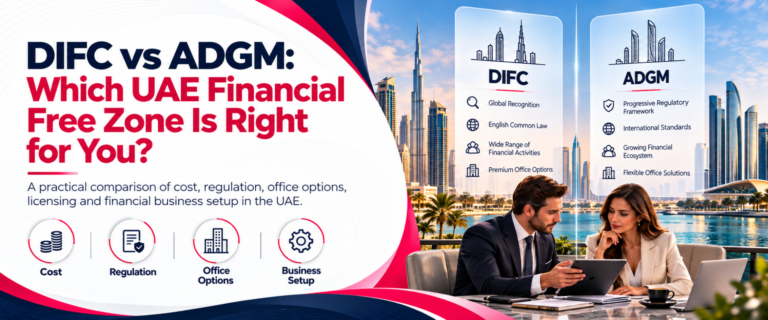

The cryptocurrency industry continues its rapid evolution, and Dubai has positioned itself as a leading global hub for digital asset businesses. The Dubai International Financial Centre (DIFC) stands at the forefront of this transformation, offering a robust regulatory framework specifically designed for cryptocurrency and blockchain enterprises. For entrepreneurs and established companies seeking to operate within a well-regulated, internationally recognized jurisdiction, obtaining a difc crypto license represents a strategic gateway to the Middle East’s thriving digital economy.
This comprehensive guide explores everything you need to know about securing your cryptocurrency license in DIFC, from understanding the regulatory framework to navigating the application process and launching your digital asset business in one of the world’s most forward-thinking financial centers.
What is a DIFC Crypto License?
A difc crypto license is a regulatory authorization issued by the Dubai Financial Services Authority (DFSA), which governs all financial services activities within the Dubai International Financial Centre. This license allows companies to legally operate cryptocurrency-related businesses while adhering to strict compliance, anti-money laundering (AML), and know-your-customer (KYC) requirements.
Regulatory Framework
The DFSA established comprehensive regulations for digital assets through its Crypto-Asset Framework, which came into effect to provide clarity and protection for both businesses and consumers. This framework covers various aspects including custody, exchange, advisory services, and token issuance activities related to digital assets.
Unlike many jurisdictions with ambiguous cryptocurrency regulations, DIFC offers clear guidelines that align with international standards while providing flexibility for innovation. The regulatory approach balances investor protection with enabling technological advancement in the blockchain and cryptocurrency sectors.
Legal Recognition
Businesses holding a difc crypto authorization operate within a common law jurisdiction recognized internationally for its legal certainty and adherence to global financial standards. This legal foundation provides confidence to institutional investors, banking partners, and clients worldwide who value regulatory compliance and transparency.
Why Choose DIFC for Your Crypto Business
The Dubai International Financial Centre has emerged as a premier destination for cryptocurrency businesses seeking regulatory legitimacy combined with operational advantages. Several compelling factors make DIFC an attractive choice for digital asset entrepreneurs.
Strategic Location and Market Access
DIFC’s position in Dubai provides strategic access to markets across the Middle East, Africa, and South Asia regions experiencing rapid cryptocurrency adoption. The time zone advantage allows businesses to serve clients across multiple continents during standard business hours, facilitating global operations.
World-Class Infrastructure
The financial free zone offers state-of-the-art office facilities, advanced telecommunications infrastructure, and proximity to essential business services including legal, accounting, and banking institutions familiar with cryptocurrency operations. This ecosystem supports efficient business operations without the infrastructure challenges common in emerging markets.
Regulatory Clarity and Stability
The DFSA provides clear, comprehensive regulations that remove uncertainty about permissible activities. This regulatory clarity extends to ongoing compliance requirements, enabling businesses to plan long-term strategies without fear of sudden regulatory changes that could disrupt operations.
Taxation Benefits
DIFC companies benefit from zero percent corporate tax on qualifying income and no personal income tax, allowing businesses to reinvest profits into growth and innovation. Additionally, DIFC has signed double taxation avoidance agreements with numerous countries, optimizing tax efficiency for international operations.
Type of Licenses Provided By DIFC
The DFSA issues different license categories based on the specific cryptocurrency activities a business intends to conduct. Understanding these categories helps determine which authorization aligns with your business model.
Operating a Crypto-Asset Exchange
This license permits operation of trading platforms where users can buy, sell, or exchange cryptocurrencies and digital tokens. Exchange operators must implement robust trading infrastructure, maintain adequate capital reserves, and establish comprehensive AML/KYC procedures.
Providing Custody Services
Custody licenses authorize businesses to hold and safeguard digital assets on behalf of clients. This requires implementing institutional-grade security measures including cold storage solutions, multi-signature protocols, and insurance coverage for stored assets.
Crypto-Asset Advisory Services
Advisory licenses allow firms to provide investment recommendations, portfolio management, and consulting services related to cryptocurrency investments. Advisors must demonstrate relevant expertise and maintain appropriate professional indemnity insurance.
Operating an Investment Token Arrangement
This license covers businesses involved in token issuance, including security token offerings (STOs) and other investment-related token activities. Stringent disclosure and investor protection requirements apply to these activities.
Steps To Obtain a DIFC Crypto License
Securing your cryptocurrency license in Dubai through DIFC requires following a systematic application process. Understanding each step helps ensure efficient navigation through the licensing requirements.
Step 1: Initial Consultation and Business Planning
Begin by developing a comprehensive business plan detailing your cryptocurrency business model, target markets, operational procedures, and compliance framework. Consider engaging experienced consultants who specialize in business setup in difc to guide you through regulatory requirements and optimize your application strategy.
Step 2: Company Incorporation
Establish your legal entity within DIFC by registering with the DIFC Registrar of Companies (ROC). This involves selecting your company structure (typically a limited liability company), reserving your company name, and preparing incorporation documents including:
- Memorandum and Articles of Association
- Details of directors and shareholders
- Registered office address in DIFC
- Business plan and financial projections
- Proof of identity for all beneficial owners
Step 3: Prepare DFSA Application
Compile your comprehensive license application for submission to the DFSA. This application requires extensive documentation demonstrating your firm’s capability to operate in compliance with regulatory standards.
Required Documentation
Your application must include:
- Detailed business plan including market analysis and operational strategies
- Comprehensive compliance manual covering AML, KYC, and counter-terrorism financing procedures
- IT security policies and cybersecurity frameworks
- Risk management policies and procedures
- Financial projections and capital adequacy calculations
- Organizational structure and reporting lines
- Details of key personnel including CVs and regulatory references
- Proof of adequate financial resources and capital
- Technology infrastructure description and disaster recovery plans
- Professional indemnity insurance arrangements
- External audit arrangements
Step 4: Key Personnel Approval
The DFSA requires approval of all individuals in senior management positions, compliance roles, and those performing controlled functions. These individuals must demonstrate relevant experience, qualifications, and fitness to hold their respective positions. Background checks and regulatory reference checks form part of this assessment.
Step 5: Submit Application and Pay Fees
Submit your complete application to the DFSA along with applicable application fees. The authority reviews your submission for completeness before beginning the detailed assessment process. Application fees vary based on license type and complexity of proposed activities.
Step 6: DFSA Review and Assessment
The DFSA conducts a thorough review of your application, which may include requests for additional information, clarifications, or modifications to proposed procedures. This assessment phase typically takes several months depending on application complexity and responsiveness to queries.
Step 7: License Issuance and Commencement
Upon satisfactory completion of the review process, the DFSA issues your crypto-asset license. You can then commence operations within the scope of approved activities. Post-licensing, maintain ongoing compliance with regulatory reporting requirements and cooperate with regular supervisory reviews.
Benefits of Starting a Crypto Business in DIFC
Establishing your cryptocurrency business within DIFC provides numerous advantages beyond regulatory authorization that support long-term success and growth.
Access to Banking Services
DIFC-licensed entities typically find greater success establishing banking relationships compared to cryptocurrency businesses in less regulated jurisdictions. Major international banks operating in DIFC understand the regulatory framework and show increased willingness to provide services to compliant crypto businesses.
Investor Confidence
Holding a DFSA license significantly enhances credibility with institutional investors, venture capital firms, and strategic partners who prioritize regulatory compliance. This credibility facilitates fundraising, partnerships, and business development initiatives that might prove challenging for businesses in unregulated environments.
Talent Attraction
DIFC’s reputation and streamlined visa processes help attract top-tier professionals in blockchain technology, compliance, and finance. The ability to offer employment in a prestigious financial center with attractive lifestyle benefits supports building high-performing teams.
Networking and Ecosystem
DIFC hosts numerous fintech events, blockchain conferences, and networking opportunities that connect cryptocurrency businesses with potential clients, partners, and service providers. The concentration of financial services expertise creates valuable synergies for growing businesses.
Activities Covered Under a DIFC Crypto License
Understanding the scope of permissible activities under your license ensures compliance and helps identify potential business expansion opportunities within the regulatory framework.
Trading and Exchange Operations
Licensed exchanges can facilitate spot trading, derivatives trading, and peer-to-peer exchange services for approved cryptocurrencies. Activities include order matching, trade execution, and maintaining transparent pricing mechanisms.
Custody and Wallet Services
Custodians provide secure storage solutions for digital assets, including hot wallet services for operational needs and cold storage for long-term asset protection. These services extend to both retail and institutional clients with appropriate safeguards.
Token Issuance and Management
Companies can launch and manage security tokens, utility tokens, and other digital assets subject to DFSA disclosure requirements and investor protection standards. This includes managing token lifecycle events and maintaining token registers.
Investment Management and Advisory
Providing discretionary portfolio management services, investment advice, and research related to cryptocurrency investments falls within licensed advisory activities. These services cater to sophisticated investors seeking professional guidance in digital asset allocation.
Cost of Starting a Crypto Business in DIFC
Understanding the financial requirements for establishing and operating a crypto business in DIFC helps ensure adequate capitalization and realistic business planning.
Initial Setup Costs
| Cost Category | Estimated Range (USD) |
| DIFC Company Registration | $10,000 – $15,000 |
| DFSA License Application Fee | $15,000 – $25,000 |
| Legal and Consultancy Fees | $25,000 – $50,000 |
| Office Space (Annual) | $30,000 – $100,000 |
| Technology Infrastructure | $50,000 – $200,000 |
| Compliance Systems | $20,000 – $75,000 |
| Initial Capital Requirement | $100,000 – $500,000 |
Total initial investment typically ranges from $250,000 to $965,000 depending on business complexity, technology requirements, and scope of operations.
Ongoing Operational Costs
Annual costs include DFSA supervision fees ($10,000-$50,000), office rental, staff salaries, technology maintenance, compliance updates, external audit fees, and insurance premiums. Budget approximately $200,000-$750,000 annually for operational expenses depending on your scale.
Conclusion
Obtaining a difc crypto license positions your business at the forefront of the regulated cryptocurrency industry within a globally recognized financial center. While the application process requires significant preparation, documentation, and investment, the benefits of operating within DIFC’s clear regulatory framework far outweigh the initial effort for serious cryptocurrency businesses seeking long-term success.
The Dubai Financial Services Authority has created a balanced regulatory environment that protects consumers while enabling innovation in digital assets. By choosing DIFC, you gain regulatory legitimacy, access to banking services, investor confidence, and strategic positioning within the rapidly growing Middle Eastern cryptocurrency market.
Whether you’re launching a cryptocurrency exchange, providing custody services, or offering digital asset advisory, DIFC provides the regulatory foundation and business environment needed to build a sustainable, compliant operation. Contact us today to begin your journey toward establishing a regulated cryptocurrency business in one of the world’s most progressive financial centers.
Frequently Asked Questions
How long does it take to obtain a DIFC crypto license?
The licensing process typically takes 4-8 months from initial application submission to license issuance. Timeline varies based on application completeness, business complexity, and responsiveness to DFSA queries. Working with experienced consultants can help streamline the process and avoid common delays.
What is the minimum capital requirement for a DIFC crypto license?
Minimum capital requirements vary by license type and business activities. Generally, expect base capital requirements between $100,000-$500,000. Exchange operators and custodians typically require higher capital levels than advisory firms. The DFSA assesses capital adequacy based on your specific business model and risk profile.
Can foreign nationals own 100% of a DIFC crypto company?
Yes, DIFC allows 100% foreign ownership without requiring a local sponsor or UAE national partner. This full ownership structure applies to all DIFC entities, making it attractive for international entrepreneurs and companies seeking complete control over their operations.
What types of cryptocurrencies can I trade with a DIFC license?
Licensed entities can deal in Bitcoin, Ethereum, and other established cryptocurrencies approved by the DFSA. The authority maintains criteria for acceptable crypto-assets based on factors including market capitalization, liquidity, and technical standards. New tokens require assessment against DFSA guidelines before being offered to clients.
Do I need a physical office in DIFC?
Yes, licensed entities must maintain a physical office presence within DIFC boundaries. Office space requirements depend on your team size and operational needs. DIFC offers flexible office solutions ranging from serviced offices to dedicated premises suitable for various business scales.
What ongoing compliance obligations apply to DIFC crypto licenses?
License holders must submit regular regulatory reports, maintain updated compliance manuals, conduct annual external audits, ensure continuous AML/KYC compliance, renew licenses annually, and cooperate with DFSA supervision activities. Additionally, material changes to business operations, key personnel, or ownership structure require prior regulatory approval.