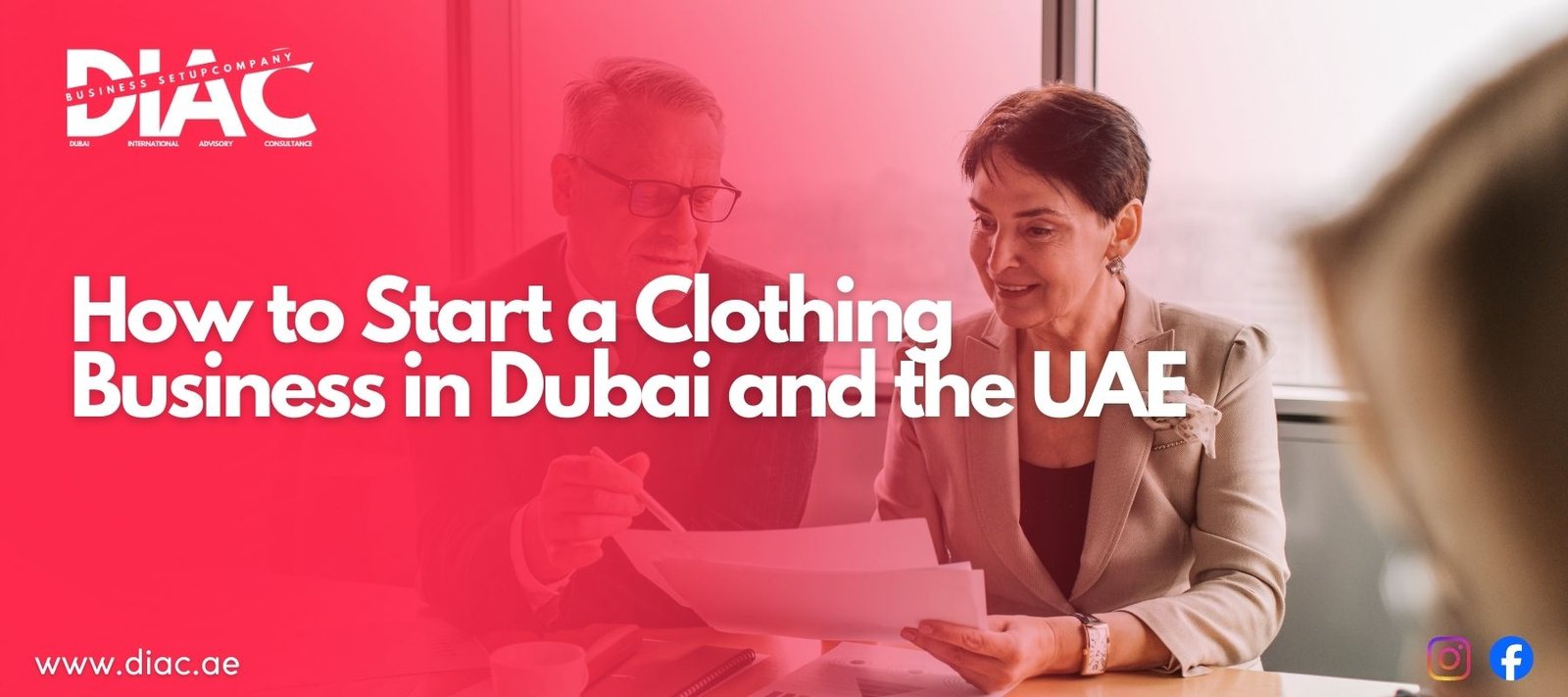
Dubai and the UAE have emerged as global fashion hubs, attracting entrepreneurs from around the world who want to tap into the region’s thriving retail market. With a diverse population, high purchasing power, and a strategic location connecting East and West, starting a clothing business in the UAE offers tremendous growth potential. Whether you’re planning a boutique store, an online clothing business in Dubai, or a large-scale textile business in Dubai, understanding the local regulations and market dynamics is crucial for success.
The UAE’s fashion industry has experienced remarkable growth, driven by a young, fashion-conscious population and millions of annual tourists seeking luxury and contemporary clothing options. From establishing a garments trading business in Dubai to launching your own designer label, the opportunities are vast. This comprehensive guide walks you through everything you need to know about launching your fashion business in Dubai, including licensing requirements, cost considerations, and practical steps to establish your clothing venture in this dynamic market.
Understanding the Clothing Business Landscape in Dubai
Dubai’s fashion retail market offers diverse opportunities from luxury boutiques to wholesale operations, with strong government support and strategic access to international markets.
The Fashion Market Opportunity
Dubai’s fashion industry encompasses various segments, from luxury designer boutiques in Dubai Mall to wholesale textile markets in Deira. The city’s tax-free environment, modern infrastructure, and business-friendly policies make it an attractive destination for clothing entrepreneurs. The garments business in Dubai benefits from zero import duties on most textiles, access to skilled labor from South Asia and the Philippines, and proximity to major manufacturing hubs in India, Bangladesh, and China.
Key Market Segments and Consumer Demographics
The UAE market accommodates diverse consumer preferences, from budget-conscious shoppers in areas like Karama to ultra-luxury consumers frequenting Fashion Avenue at Dubai Mall. Understanding these segments helps position your brand effectively. The expatriate population representing over 200 nationalities creates demand for international fashion styles, while local Emiratis seek both traditional attire and contemporary Western clothing.
Government Support for Fashion Entrepreneurs
The UAE government actively supports retail entrepreneurship through simplified licensing procedures and dedicated fashion zones. Whether you’re interested in establishing a readymade garment business setup in Dubai or developing a niche fashion brand, you’ll find comprehensive support systems including logistics providers, fashion consultants, and established distribution networks. Initiatives like Dubai Design District (d3) provide specialized infrastructure for fashion businesses, offering showrooms, workshops, and networking opportunities.
Types of Clothing Business Licenses in Dubai
Clothing businesses require specific commercial licenses from DED or free zone authorities, with options including trading, retail, and industrial licenses depending on operations.
Mainland Commercial Trading License
Before launching your fashion venture, you need to determine the appropriate business structure and license type. The Department of Economic Development (DED) in Dubai issues commercial licenses for clothing businesses operating on the mainland. This license permits selling directly to UAE consumers, establishing retail outlets across the emirates, and conducting B2B transactions with local retailers. Mainland licenses require a local service agent but offer unrestricted access to the entire UAE market.
Free Zone Business Setup Options
Free zones like Dubai Multi Commodities Centre (DMCC) and Jebel Ali Free Zone (JAFZA) offer alternative licensing options with specific benefits including 100% foreign ownership, full repatriation of profits, and exemption from import-export duties. For entrepreneurs who want to start a garments trading company in Dubai, free zones provide cost-effective solutions especially for wholesale operations and international trading activities.
Specialized License Requirements
If you plan to manufacture garments locally, you’ll need an industrial license that allows production activities. Retail-focused businesses operating physical stores require a retail trade license, which can be combined with e-commerce activities for businesses operating both online and offline channels. Dubai Economy and Tourism has streamlined the licensing process, making it possible to obtain business approvals within a few days when working with experienced fashion business setup consultants.
Step-by-Step Process to Start a Clothing Business in Dubai
Launching your fashion venture involves market research, license application, premises selection, banking setup, and VAT registration with relevant UAE authorities for compliance.
Conducting Market Research and Business Planning
Starting your fashion venture requires careful planning and systematic execution. The first step involves conducting thorough market research to identify your target audience, analyze competitor positioning, and determine your unique value proposition. Dubai’s fashion market is highly competitive, so differentiation through product quality, pricing strategy, or customer experience is crucial for success. Develop a comprehensive business plan outlining your product range, pricing strategy, target demographics, marketing approach, and financial projections.
Choosing Your Business Structure
Once you’ve validated your business concept, select an appropriate business structure. Mainland companies offer unrestricted market access within the UAE but require a local service agent. Free zone companies provide 100% foreign ownership and tax benefits but have restrictions on direct trading with the UAE mainland without a local distributor. Many clothing entrepreneurs choose free zones initially for cost advantages and operational flexibility, particularly for businesses focused on international trade or e-commerce operations.
Trade Name Registration and License Application
Reserve your trade name with DED or your chosen free zone authority. Your business name must comply with UAE naming conventions, avoiding religious references or registered trademarks. Submit your license application along with required documents, including passport copies, business plan, and proof of capital. The approval process typically takes 3-7 working days for straightforward applications, though complex structures may require additional review time.
Securing Business Premises and Municipal Approvals
For retail locations, secure Dubai Municipality approvals ensuring your premises meet health, safety, and zoning requirements. Physical retail locations require strategic site selection considering foot traffic, parking availability, and proximity to your target demographic. For online clothing business in Dubai operations, you can opt for smaller warehouse spaces in cost-effective areas like Dubai Investment Park or International City, where rental rates are significantly lower than prime retail zones.
Banking and Tax Registration
Open a corporate bank account with a UAE bank, which requires your trade license, tenancy contract, and business incorporation documents. Major banks like Emirates NBD, Dubai Islamic Bank, and Mashreq offer business banking packages tailored to retail entrepreneurs. Complete registration with the Federal Tax Authority (FTA) for VAT purposes, as fashion businesses with annual turnover exceeding AED 375,000 must register for the 5% value-added tax.
Cost Breakdown for Starting a Clothing Business in Dubai
Understanding the financial requirements is essential for proper business planning. The initial investment varies significantly based on your business model, location choice, and scale of operations. Here’s a detailed cost analysis:
Licensing and Registration Costs:
- Mainland commercial license: AED 15,000 – AED 25,000 annually
- Free zone license: AED 12,000 – AED 50,000 depending on the free zone
- Trade name reservation: AED 600 – AED 1,000
- Initial approval fees: AED 500 – AED 1,500
Operational Setup Costs:
- Office/retail space rent: AED 30,000 – AED 300,000 annually (varies by location)
- Security deposit: Typically 5-10% of annual rent
- Interior fit-out for retail: AED 50,000 – AED 200,000
- Warehouse setup: AED 20,000 – AED 80,000
Inventory and Equipment:
- Initial inventory investment: AED 100,000 – AED 500,000
- Display fixtures and equipment: AED 30,000 – AED 100,000
- Point-of-sale systems: AED 5,000 – AED 15,000
- E-commerce platform setup: AED 10,000 – AED 40,000
Additional Expenses:
- Staff visa processing: AED 5,000 per employee
- Business insurance: AED 5,000 – AED 15,000 annually
- Marketing and branding: AED 20,000 – AED 100,000 initially
- Working capital reserve: AED 50,000 – AED 150,000
Total initial investment typically ranges from AED 250,000 to AED 1,000,000 depending on your business scope and ambitions.
Essential Documents Required for Clothing Business License
Proper documentation is critical for smooth license processing. You’ll need to prepare the following:
For Individual Entrepreneurs:
- Passport copies with valid UAE visa (if applicable)
- Emirates ID (for UAE residents)
- Passport-size photographs
- Business plan outlining your clothing venture
- Initial approval certificate from relevant authority
For Corporate Entities:
- Memorandum of Association (MOA)
- Company incorporation documents from home country
- Board resolution authorizing business setup in UAE
- Authorized signatory documents
- Shareholder passport copies
For Retail Locations:
- Tenancy contract registered with Ejari
- Dubai Municipality health and safety approvals
- Building completion certificate
- No-objection certificate from property owner
- Floor plan showing business layout
Conclusion
Starting a clothing business in Dubai and the UAE presents exciting opportunities in one of the world’s most dynamic fashion markets. From the initial planning stages to securing your license and launching operations, each step requires careful attention to regulatory requirements and market realities. The investment potential is significant, with the textile business in Dubai benefiting from tax advantages, strategic location, and access to diverse customer demographics.
Navigating UAE business regulations can be complex for first-time entrepreneurs. Professional fashion business setup consultants provide invaluable assistance throughout the establishment process.
Success in the UAE fashion industry demands more than just quality products it requires understanding local consumer preferences, building strong supplier relationships, and implementing effective marketing strategies. Whether you’re establishing a garments trading business in Dubai, launching an online clothing business in Dubai, or opening a luxury boutique, proper planning and professional guidance significantly increase your chances of building a profitable venture.
Ready to turn your fashion business dreams into reality? Contact us today for expert guidance on establishing your clothing business in Dubai and the UAE. Our experienced team specializes in fashion business setups, providing comprehensive support from license processing to operational launch, ensuring your venture starts on solid foundations.
Frequently Asked Questions
How to start a clothing business in Dubai?
Begin by conducting market research, choosing between mainland or free zone setup, obtaining a commercial trading license from DED or your chosen free zone, securing retail space or warehouse, registering for VAT, and sourcing inventory from local or international suppliers.
How to start a garment business in the UAE?
Select your business structure (mainland/free zone), apply for a commercial license, reserve a trade name, secure business premises, open a corporate bank account, register with Federal Tax Authority, source quality inventory, and implement marketing strategies targeting your demographic.
How much does it cost to start a clothing brand in Dubai?
Initial investment typically ranges from AED 250,000 to AED 1,000,000, including licensing fees (AED 15,000-50,000), retail space rent, inventory investment (AED 100,000-500,000), fit-out costs, equipment, marketing budget, and working capital reserves.
How to earn 1000 AED per day in Dubai?
Focus on high-margin products, implement effective online sales channels, maintain competitive pricing, offer excellent customer service, build strong social media presence, and optimize inventory turnover. Daily revenue of AED 1,000 requires approximately AED 30,000 monthly sales.
Is clothing business profitable in the UAE?
Yes, the UAE clothing business can be highly profitable with profit margins ranging from 30-60% depending on your niche, sourcing strategy, and operational efficiency. Success requires proper market positioning, quality inventory management, and effective marketing.
What is the 3-3-3 rule for clothing?
The 3-3-3 rule suggests keeping three tops, three bottoms, and three pairs of shoes in active rotation. For retailers, this principle can guide minimal inventory management, focusing on versatile, high-quality pieces that offer multiple styling options.
How to earn 10,000 AED per month in Dubai?
Generate AED 10,000 monthly by achieving daily sales of approximately AED 330-350. Focus on consistent marketing, building a loyal customer base, maintaining competitive pricing, optimizing e-commerce presence, and controlling operational costs to ensure healthy profit margins.