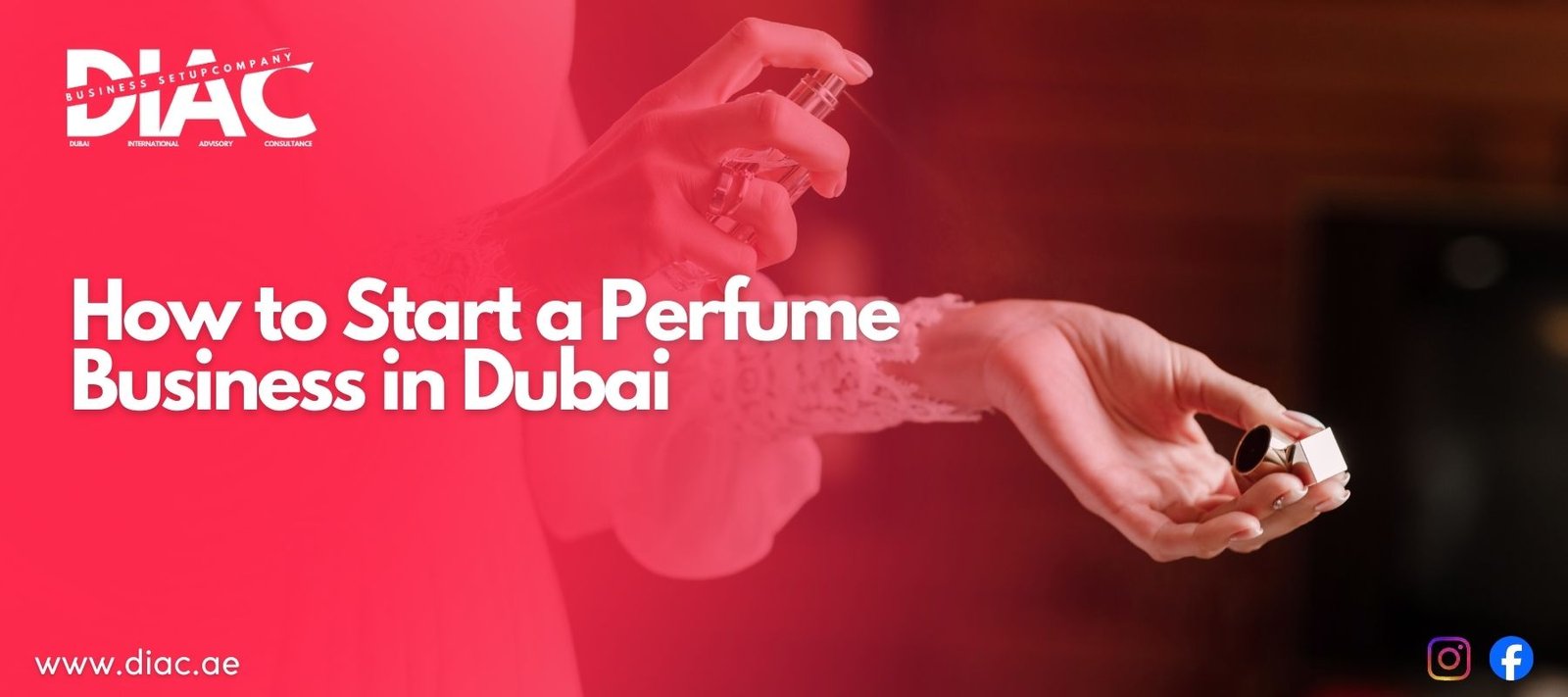
There are few places in the world where fragrance is as embedded in daily culture as it is in the UAE. From traditional oud and attar used in homes and mosques to luxury European houses competing for mall shelf space, Dubai’s relationship with scent runs deep. The UAE perfume market is valued at over AED 11 billion annually with a growth trajectory of 5.28% to 9.22% CAGR projected through 2033, driven by a combination of cultural tradition, an affluent resident population, and tens of millions of tourists passing through each year. For entrepreneurs drawn to this market, the opportunity is real and the business models are genuinely varied — retail boutiques, wholesale trading, private label brands, bespoke perfumery ateliers, and manufacturing facilities all operate here successfully.
What most guides on starting a perfume business in Dubai gloss over are the product-level regulatory requirements that sit above and beyond the trade license. Getting your license is necessary. But every product you plan to sell must also be registered through Dubai Municipality’s Montaji portal before you can put it on a shelf or ship it to a customer, and imported perfumes must carry an ESMA ECAS Certificate of Conformity. These are separate processes from your company formation, and understanding them upfront saves weeks of delays once you’re ready to trade. This guide covers both the business setup and the product compliance tracks for all major perfume business models in 2026.
Choosing Your Business Model: Four Paths Into Dubai’s Fragrance Market
Before thinking about licenses or product registration, the most useful thing you can do is be precise about what kind of perfume business you are actually building. Each model has different capital requirements, different license types, and different compliance obligations — and mixing up the models mid-application creates delays and amendment costs.
| Business Model | License Type | Key Regulatory Requirement |
| Retail perfume shop / boutique | Commercial trade license (DET) | Dubai Municipality product registration (Montaji) per SKU |
| Wholesale / perfume trading / distribution | Commercial trade license (DET or FZ) | ESMA ECAS Certificate of Conformity for imports |
| Perfume manufacturing | Industrial license (mainland or industrial FZ) | GMP certificate + Dubai Municipality + ESMA |
| Private label / OEM (outsource production, own brand) | Commercial license + manufacturing agreement | Montaji registration + COC + Perfume Analysis Report |
| Online-only fragrance store | Commercial / e-commerce license | Product registration still mandatory before selling |
The retail boutique is the most visible model — a physical shop in a mall or commercial street selling perfumes to walk-in customers. This requires a commercial trade license from DET and every product on your shelves registered through the Montaji portal before sale.
The wholesale and distribution model involves importing perfume brands from overseas manufacturers and supplying to retailers, hotels, and distributors across the UAE. This is often the most efficient model for established fragrance brands entering the UAE market and is also well-suited to Dubai free zones given the import/export focus.
The private label or OEM model — where you develop your own fragrance formulations and have them produced by a contracted manufacturer — is the bridge between trading and manufacturing. You own the brand and the formulations; the production is outsourced. This model is popular for founders building a fragrance brand without the capital investment of a manufacturing facility. It requires commercial licensing, a Perfume Analysis Report per formulation, and Montaji product registration.
Full perfume manufacturing — blending and producing fragrances in your own facility in Dubai — requires an industrial license rather than a standard commercial license, facility approvals, GMP (Good Manufacturing Practice) certification, and a significantly higher capital investment. This model makes sense for established fragrance houses or investors planning to serve the UAE and export to the wider GCC and beyond.
The Trade License: Commercial vs Industrial and Why the Distinction Matters
For retail, wholesale, trading, and private label models, a commercial trade license from the Department of Economy and Tourism (DET) is the correct starting point. The license activity must precisely reflect your intended operations — perfume trading, retail fragrance, cosmetics trading, or perfume and personal care products trading, depending on your scope. Getting the activity right from the first application avoids the need to amend later.
For manufacturing, a commercial license is not sufficient. You need an industrial license issued by the relevant authority for the facility you occupy — DET for Dubai mainland industrial areas, or the relevant free zone authority if you are in an industrial free zone. The Dubai mainland company formation path gives you access to industrial land in areas like Al Quoz, Dubai Industrial City, and Jebel Ali for manufacturing operations.
Mainland or Free Zone: What Works Best for Perfume Businesses
For entrepreneurs planning to sell directly to UAE customers through a physical shop or supply to UAE retailers, the mainland DET license is the more straightforward structure. You can open a boutique anywhere in Dubai, supply hospitality groups and retailers without restrictions, and eventually bid for corporate supply contracts.
For businesses primarily focused on import, distribution, and export, free zones offer genuine advantages. DMCC (Dubai Multi Commodities Centre) and IFZA are popular choices for perfume and cosmetics trading companies. Free zone companies benefit from 100% foreign ownership, simplified logistics, and competitive license packages. The constraint — free zone companies cannot sell directly to UAE mainland customers without appointing a mainland distributor or establishing a separate mainland entity. If both UAE retail and export are in your plan, a dual-entity structure or a mainland company with export capabilities is the more practical approach from the start.
Product Registration: The Step That Trips Up Most First-Time Perfume Entrepreneurs
This is the area where most new perfume business owners in Dubai encounter unexpected delays. Having your trade license is necessary to operate, but it does not authorise you to sell any specific product. Every perfume product you intend to sell in Dubai must be individually registered and approved before it goes on sale.
Montaji Portal: Dubai Municipality’s Product Registration System
In Dubai, fragrance and cosmetics product registration is managed through the Montaji portal, operated by Dubai Municipality. Each product requires its own submission covering: full ingredient list, Arabic and English product labelling, product safety information, manufacturer details, country of origin, shelf life, and any relevant certificates. Approval fees run approximately AED 500 to AED 1,500 per product depending on product category and any required laboratory testing. If you are launching with 20 SKUs, budget for 20 separate registration processes before your first sale.
ESMA ECAS Certificate of Conformity
For imported perfumes and fragrance products, the Emirates Authority for Standardization and Metrology (ESMA) requires an ECAS (Emirates Conformity Assessment Scheme) Certificate of Conformity confirming the product meets UAE quality and safety standards. This applies to any perfume imported from overseas — whether European brands, Asian manufacturers, or GCC suppliers. The certificate is issued per product batch and must accompany the goods through customs clearance. Without it, shipments are held and may be returned at the importer’s expense.
Perfume Analysis Report and Ingredient Compliance
If you are developing original formulations — for your own brand, private label, or bespoke service — you need a Perfume Analysis Report from an accredited laboratory. This document breaks down the fragrance’s full ingredient composition and verifies that each component complies with UAE cosmetics regulations, which prohibit certain chemicals and restrict the concentration of others. The UAE follows ESMA standards for cosmetics aligned with GCC Technical Regulations. The cost ranges from AED 2,000 to AED 8,000 per formulation depending on complexity and the laboratory. This report is submitted as part of the Montaji product registration.
Certificate of Free Sale
If you are importing perfumes that are established brands already sold in another country, Dubai Municipality typically requires a Certificate of Free Sale — an official document from the exporting country’s relevant authority confirming the product is legally sold in that market. This certificate needs to be attested for use in the UAE. It demonstrates product legitimacy and is a standard document in the cosmetics import process.
The Cultural Dimension: Understanding What Sells in Dubai’s Fragrance Market
Running a successful perfume business here is not purely a regulatory exercise — it requires understanding the culture. The UAE has one of the world’s deepest fragrance cultures. Oud, attar, and bakhoor are not niche products here; they are daily essentials for many households, gifted at weddings, used in hospitality, and bought in volume. Any fragrance business that ignores this segment is missing a significant part of the market.
At the same time, Dubai’s diverse expatriate population and tourism market create strong demand for Western and international fragrance houses, niche and artisan perfumers, and bespoke perfumery — the personalised, consultation-led model where customers develop their own signature scent. Bespoke perfumery ateliers have performed well in Dubai’s premium commercial areas and serve both the resident market and tourists looking for a distinctive Dubai experience. This model commands high margins but requires a skilled in-house perfumer, appropriate facilities, and individual product registrations for each custom formula if sold commercially.
Profit margins in the fragrance business depend significantly on the model. Fragrance ingredient costs typically account for 15% to 40% of retail price depending on raw material quality. Luxury and bespoke positioning can sustain margins of 60% to 70% on final products. Trading established brands carries lower margins (typically 20% to 35%) but lower development costs. Private label brands that successfully establish market presence and distribution can achieve sustainable margins over time as per-unit production costs fall with volume.
Protect Your Brand: Trademark Registration Before You Launch
If you are building your own fragrance brand — whether private label, OEM, or original manufacturing — trademark registration through the UAE Ministry of Economy should happen before or simultaneous with your business setup, not after you launch. The UAE registers trademarks by class, and fragrances and cosmetics fall under Class 3. Registration typically costs AED 750 to AED 2,000 per class and takes several months to process. Operating an unregistered brand in Dubai’s competitive fragrance market risks someone else registering a similar name before you do. Our trademark registration service handles the Ministry of Economy application and class selection.
Cost Breakdown: Starting a Perfume Business in Dubai 2026
Costs vary significantly based on business model and scale. The table below covers the primary components across retail trading and manufacturing paths.
| Cost Component | Estimated Amount (AED) |
| DET Commercial Trade License | 15,000 to 25,000 |
| Trade Name Reservation | 620 to 1,000 |
| Dubai Municipality Product Registration (Montaji) per SKU | Approx. 500 to 1,500 per product |
| ESMA ECAS Certificate of Conformity (for imports) | Variable by product batch |
| Perfume Analysis Report (ingredient compliance) | 2,000 to 8,000 per formulation |
| Certificate of Free Sale (for imported brands) | Home country authority fee + attestation |
| Commercial Retail Space Rent (per year) | 60,000 to 500,000+ depending on location |
| Ejari Registration | 200 to 500 |
| Free Zone License Package (DMCC / IFZA — trading) | 12,000 to 30,000 per year |
| Industrial License + Facility (manufacturing) | Significantly higher — facility-dependent |
| Trademark Registration (UAE) | 750 to 2,000 per class |
| Total First-Year (small retail / trading) | AED 30,000 to AED 80,000 |
| Total First-Year (manufacturing startup) | AED 150,000 to AED 500,000+ |
For most first-time founders starting with a retail shop or trading company, AED 30,000 to AED 80,000 covers the first year including license, product registrations, and initial operational setup. Product registration costs scale with the number of SKUs — a boutique with 30 fragrances will spend more on Montaji registrations than a small shop with 5 hero products. Manufacturing is a fundamentally different capital commitment and should be planned with a detailed feasibility study before committing to the industrial license and facility.
Getting Your Perfume Business Set Up Correctly From Day One
The most common mistakes in perfume business setups in Dubai are selecting the wrong license activity for the planned business model, and not budgeting for product registration until after the trade license is issued. Both create delays that push back launch timelines and add amendment costs.
Dubai International Advisory Consultants supports fragrance entrepreneurs through the complete setup process, from DET license activity selection and trade name registration through to Dubai Municipality product registration coordination, ESMA compliance guidance, and trademark protection. Whether you are planning a luxury bespoke atelier, a private label brand, or a wholesale fragrance distribution business, the right structure from the start makes the difference. Visit the business setup consultants in Dubai page to discuss your perfume business plan, and explore our PRO services for ongoing visa and government relations support once you are operational.
For investors who establish a successful fragrance business and meet UAE residency investment thresholds, the UAE Golden Visa offers 10-year renewable residency independent of business sponsorship — a meaningful long-term security consideration for brand founders building in this market.
Conclusion
Starting a perfume business in Dubai means navigating both a commercial licensing process and a product compliance process — these run in parallel and both must be complete before you can legally sell. Your trade license from DET establishes the business. Montaji product registration with Dubai Municipality approves each product you sell. ESMA’s ECAS Certificate of Conformity is required for all imports. Manufacturing requires an industrial license and GMP certification, not a standard commercial license. Private label founders need a Perfume Analysis Report for each formulation. Arabic labeling is mandatory on all packaged products. Trademark registration should happen before launch if you are building an original brand. First-year costs for a retail or trading operation run from AED 30,000 to AED 80,000. The market itself — built on deep cultural fragrance tradition and sustained tourist traffic — rewards well-positioned, compliant businesses with genuine long-term opportunity.
People Also Ask: Perfume Business Dubai FAQs
How do I start a perfume business in Dubai?
Decide your business model (retail, wholesale, private label, or manufacturing), obtain a commercial or industrial trade license from DET or a free zone authority, register each product through Dubai Municipality’s Montaji portal before selling, obtain ESMA ECAS Certificates of Conformity for any imported fragrances, and ensure all packaging complies with Arabic and English labelling requirements. The process typically takes 2 to 6 weeks for the license and additional time for product registrations.
What license do I need to sell perfume in Dubai?
A commercial trade license from the Department of Economy and Tourism (DET) is required for retail and wholesale perfume businesses on the Dubai mainland. Free zone entities need a service or trading license from their respective free zone authority. If you plan to manufacture perfumes, you need an industrial license instead of a standard commercial license. The license activity must specifically cover perfume or cosmetics trading.
What is the Montaji portal and why do perfume sellers need it?
Montaji is Dubai Municipality’s product registration system for cosmetics, personal care products, and fragrances. Every perfume product you plan to sell in Dubai must be individually registered through Montaji before sale, regardless of whether you are retailing, wholesaling, or selling online. Registration requires product ingredient data, Arabic and English labels, manufacturer details, and in some cases a Perfume Analysis Report. Each product costs approximately AED 500 to AED 1,500 to register.
What is the ESMA ECAS certificate and do I need it for perfume imports?
The ESMA (Emirates Authority for Standardization and Metrology) ECAS Certificate of Conformity confirms that an imported product meets UAE quality and safety standards. It is mandatory for all cosmetics and personal care products imported into the UAE, including perfumes. The certificate must accompany the goods through customs clearance. Without it, shipments are held at the port of entry and may be returned at the importer’s cost.
Is perfume manufacturing allowed in Dubai?
Yes. Perfume manufacturing is permitted in Dubai with an industrial license, an appropriate manufacturing facility in a designated industrial zone, Good Manufacturing Practice (GMP) certification, and compliance with ESMA product standards. Manufacturing requires a significantly higher capital investment than trading and is typically suited to investors planning production at scale or those seeking to supply regional markets from a Dubai base.
What is the difference between a retail perfume license and a manufacturing license in Dubai?
A retail or commercial license covers buying, selling, and trading perfumes. A manufacturing license (industrial license) covers physically producing fragrances. If you are developing your own formulas but outsourcing production to a third-party manufacturer, you operate under a commercial license (private label model) and do not need an industrial license. The industrial license is only required when you own and operate the production facility yourself.
Can a foreigner own a perfume business in Dubai?
Yes. Under the 2021 UAE commercial law reforms, foreign investors can own 100% of a perfume trading or manufacturing business on the Dubai mainland for most commercial and industrial activities. Free zone entities have always permitted 100% foreign ownership. No UAE national partner or sponsor is required for equity purposes, though some activities may require a Local Service Agent for administrative purposes.
How profitable is a perfume business in Dubai?
Profit margins depend on the business model. Luxury retail and bespoke perfumery can achieve gross margins of 60% to 70% given the premium positioning of the market. Private label brands typically operate at 40% to 60% gross margin once distribution is established. Wholesale and trading businesses carry lower margins of 20% to 35% but benefit from higher volumes. Fragrance ingredient costs represent 15% to 40% of retail price depending on formulation quality and sourcing.
About the Author
Adil Ahmad is a business setup specialist and content strategist at Dubai International Advisory Consultants. He specialises in retail, trading, and consumer goods business formation in Dubai, with practical knowledge of DET commercial licensing, Dubai Municipality product registration, and the specific compliance processes that apply to fragrance and cosmetics businesses in the UAE market.