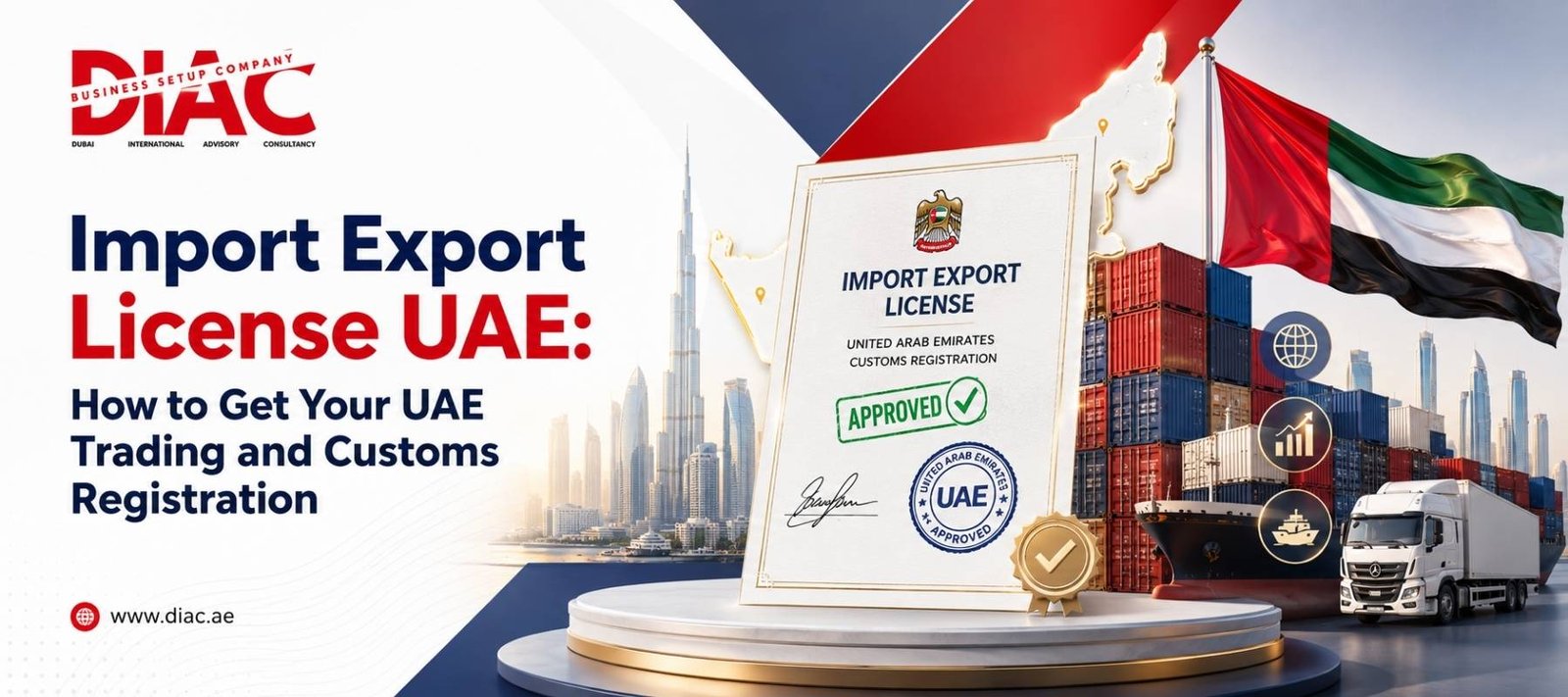
Setting up a physical goods business in the UAE involves two separate processes that many entrepreneurs confuse or overlook entirely. You need a trade license from your chosen authority (DED for mainland, or your free zone authority) and you also need a separate customs registration from the Federal Customs Authority (FCA). Missing either one means your goods will not legally clear UAE ports. This guide breaks down both processes clearly, so you know exactly what is required, how much it costs, and which setup suits your trading business.
Whether you are a sole trader looking to bring in electronics, a distributor of food commodities, or a manufacturer sourcing raw materials, this page covers every step from trade license application to clearing your first shipment.
| Quick Fact: The UAE handled over AED 2.5 trillion in non-oil foreign trade in 2024, making it one of the top 10 global trading hubs. Dubai alone accounts for roughly 70% of that volume. |
Import Export License UAE vs General Trading License: What Is the Difference?
This is the single most common point of confusion for new business owners in the UAE, and it matters because each document comes from a completely different authority.
A trade license (also called a commercial or general trading license) is issued by the Department of Economy and Tourism (DET, formerly DED) for mainland businesses, or by the relevant free zone authority if you are setting up inside a free zone such as IFZA, DMCC, JAFZA, or RAKEZ. This license legally authorises your company to buy and sell specific categories of goods.
A customs registration number (also called an importer/exporter code) is issued by the Federal Customs Authority (FCA) or by the emirate-level customs body such as Dubai Customs. This is your gateway to physically moving goods across UAE borders.
| Feature | Trade / Import Export License | Customs Registration |
| Issued by | DET (mainland) or Free Zone Authority | Federal Customs Authority / Dubai Customs |
| Purpose | Authorises your company to trade specific goods | Permits physical import and export of goods |
| Mandatory? | Yes, before any business activity | Yes, before any shipment is cleared |
| Validity | 1 year (renewable) | Linked to trade license validity |
| Who needs it | Every UAE business in the trading sector | Every importer and every exporter |
Put simply: a trade license lets you run a trading company in the UAE. Customs registration lets you actually move goods in and out of the country. Every importer and exporter needs both.
Who Needs an Import Export License in UAE?
Any company that physically moves commercial goods across UAE borders requires both a trade license with trading activity coverage and an active customs code. This applies regardless of your emirate, your business structure, or whether you are mainland or free zone.
You specifically need an import export setup if your business involves:
- Importing finished goods for local resale in UAE markets
- Exporting products manufactured or sourced in the UAE to overseas buyers
- Re-exporting goods through UAE ports to third countries (a major activity in JAFZA and DMCC)
- Importing raw materials or components for your manufacturing or processing operations
- Running a wholesale or distribution business supplying other UAE retailers or businesses
- Operating as an e-commerce seller sourcing products from overseas suppliers
General trading companies (those with a general trading license covering multiple product categories) are among the most common applicants. However, even single-activity businesses such as food importers, electronics distributors, and garment exporters need the same dual registration.
If you are not sure whether your planned activity requires customs registration, our consultants at DIAC can review your business plan and advise on the exact license type and customs category required.
UAE Customs Registration: Federal Customs Authority Process
Once your trade license is in hand, customs registration is the next immediate step. In the UAE, customs is managed at two levels: federally through the Federal Customs Authority (FCA), and at the emirate level through bodies such as Dubai Customs, Abu Dhabi Customs, and Sharjah Customs.
Registering with Dubai Customs (Most Common Route)
For Dubai-based businesses, registration is handled through the Dubai Trade portal. The process has been largely digitalised and can be completed within two to five working days for straightforward applications.
Documents typically required:
- Valid UAE trade license (copy)
- Memorandum and Articles of Association or equivalent constitutional document
- Emirates ID and passport copies of all shareholders and the authorised signatory
- Company bank account details (some categories require a bank guarantee)
- Tenancy contract or Ejari for your business premises
- Power of attorney if applying through a customs broker or PRO service
You can initiate your registration directly on the Dubai Trade portal or through the Federal Customs Authority website. For businesses in other emirates, each customs authority maintains its own online portal.
Understanding HS Codes
Every product that crosses a UAE border must be classified under a Harmonised System (HS) code. This six to eight digit number determines your applicable duty rate, whether your product falls under import restrictions, and what documentation is required for clearance.
Getting your HS code wrong is one of the most common and costly mistakes importers make. It can result in shipment holds, penalty fines, or unexpected duty charges. The UAE Customs HS Code search tool allows you to look up codes by product description. For complex or multi-component goods, working with a licensed customs broker is strongly recommended.
Importer of Record Responsibilities
When goods arrive in the UAE, the importer of record (IOR) is the legal entity responsible for ensuring compliance with all customs regulations, paying applicable duties, and maintaining documentation. In most cases this will be your UAE company. However, if your supplier is shipping directly to your customer (drop-shipping or consignment models), the IOR arrangement must be agreed in writing before the shipment departs.
Using a Customs Broker
While it is possible to self-file customs declarations through the Dubai Trade portal or e-Mirsal system, most businesses with regular shipment volumes work with a licensed customs broker (known as a Customs Declarant). Brokers handle declaration submissions, classification queries, duty calculation, and communication with port authorities on your behalf. They must be licensed by the relevant customs authority.
Types of UAE Import Export Licenses by Emirate
While the customs registration process is largely federal in nature, the trade license you hold comes from an emirate-specific authority. The category, permitted activities, and costs vary significantly.
| Emirate / Zone | Issuing Authority | License Type | Key Notes |
| Dubai Mainland | Department of Economy and Tourism (DET) | Commercial / General Trading | Full UAE market access, 100% foreign ownership |
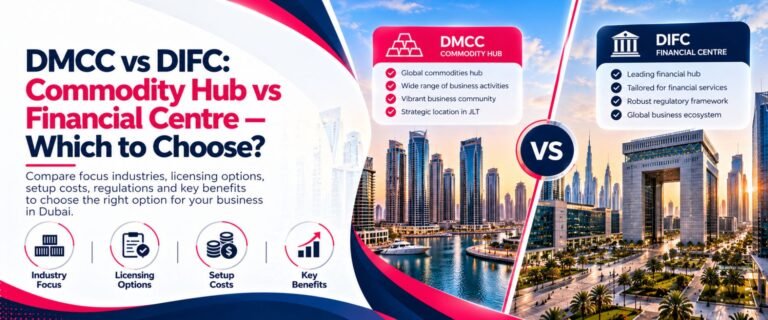
| Dubai Free Zones | DMCC, JAFZA, IFZA, DAFZA, etc. | Free Zone Trading | 0% import duty within zone, re-export focus |
| Abu Dhabi | ADDED (Abu Dhabi Dept. of Economic Development) | Commercial Trading | Strong for industrial and commodities trade |
| Sharjah | Sharjah Economic Development Dept. | Commercial Trading | Lower cost base than Dubai |
| RAK / RAKEZ | RAKEZ | Free Zone Trading / General Trading | Competitive pricing, good for SMEs |
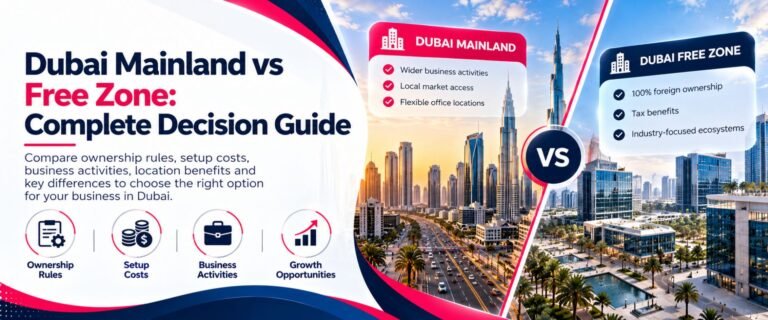
Dubai Mainland vs Free Zone: Which Is Better for Import/Export?
This is the question most trading company founders wrestle with, and the honest answer is: it depends on where your customers are and how you move your goods.
Dubai Mainland Import/Export
A mainland company formation in Dubai gives you full, unrestricted access to the UAE domestic market. You can sell directly to UAE retailers, supermarkets, government departments, and end consumers without needing a local distributor or service agent. Import duties (typically 5% for most goods, 0% for many food categories) apply when goods enter mainland UAE.
Mainland suits you if:
- Your primary market is UAE domestic consumers or businesses
- You import goods for local distribution or retail
- You deal in regulated product categories that require DET approval
- You need to bid on UAE government contracts
Free Zone Import/Export
Free zone companies enjoy key customs advantages. Goods brought into a free zone do not attract UAE import duties while they remain within the zone. This makes free zones ideal for re-export, transit trade, and businesses that import, repackage, and re-export to GCC or international markets.
However, a pure free zone company cannot sell directly into the UAE mainland. To do so, it must either appoint a UAE mainland distributor, pay applicable customs duties to bring goods out of the zone, or establish a separate mainland entity.
Free zone suits you if:
- Your primary trade is re-export or international distribution
- You want to consolidate shipments and re-export to GCC countries
- You are looking for lower operational cost versus mainland
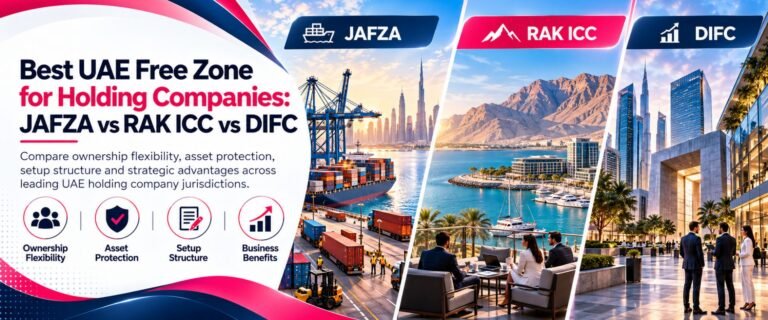
- Your business model involves warehousing and logistics within a port-adjacent zone such as JAFZA
| Important: Free zone companies must obtain a No Objection Certificate (NOC) from their free zone authority before appointing a mainland distributor or engaging in any mainland commercial activity. |
Import Export License Cost (AED Breakdown)
Costs vary based on emirate, free zone, number of trading activities, visa allocation, and office type. The figures below reflect 2025 market rates and are indicative. Final costs depend on your specific configuration.
| Cost Component | Dubai Mainland | Free Zone (IFZA / DMCC) |
| Trade License Fee | AED 10,000 – 15,000 | AED 12,000 – 20,000 |
| Registration / Name Reservation | AED 600 – 900 | AED 1,000 – 1,500 |
| Memorandum of Association (MoA) | AED 1,200 – 2,500 | Included or AED 1,000 |
| Office / Flexi-desk (annual) | AED 15,000 – 40,000 | AED 7,500 – 15,000 |
| Customs Registration (Dubai) | AED 200 – 500 | AED 200 – 500 |
| Visa (per person, approx) | AED 3,500 – 5,000 | AED 3,000 – 4,500 |
| Estimated First-Year Total | AED 30,000 – 65,000+ | AED 25,000 – 45,000+ |
These costs do not include product-specific permits (for food, pharmaceuticals, chemicals, or controlled goods), bonded warehouse deposits, or logistic agreements. For a detailed cost breakdown tailored to your business, speak to a DIAC business setup consultant.
Step-by-Step: From Trade License to First Shipment
This is the complete end-to-end journey for a new trading company in the UAE, from initial registration through to clearing your first commercial shipment.
Step 1: Choose Your Business Structure and Jurisdiction
Decide between Dubai mainland and a free zone based on where you will be selling, your product category, and budget. Engage a business setup consultant at this stage to avoid costly structural mistakes.
Step 2: Reserve Your Company Name and Apply for Initial Approval
Submit your chosen company name to DET or your free zone authority for approval. Names must comply with UAE naming guidelines (no offensive terms, no reference to political or religious bodies without special approval).
Step 3: Draft and Notarise the Memorandum of Association
For mainland companies, the MoA must be drafted by a licensed legal service and notarised through the UAE notary system. Free zones typically have their own standard agreements.
Step 4: Secure Business Premises and Obtain Ejari / Lease Certificate
Every trade license requires a valid tenancy contract. For mainland companies, your Ejari (rental registration certificate) is a mandatory part of the license application. Free zones offer flexi-desk packages that fulfil this requirement.
Step 5: Obtain Your Trade License
Submit all required documents to DET or your free zone authority. Processing typically takes three to seven working days for a new mainland company. For detailed guidance on activity selection, our general trading license covers all activity codes and restrictions in detail.
Step 6: Register with Customs Authority
Once your trade license is issued, register on the Dubai Trade portal (for Dubai-based businesses) or the relevant emirate customs system. You will receive your customs registration number (importer/exporter code), which must be quoted on all customs declarations. See Dubai Customs official guidance for specific registration requirements.
Step 7: Identify HS Codes for Your Products
Work with your customs broker or use the FCA tariff tool to classify every product line you intend to import or export. Maintain an internal HS code register as products and regulations change.
Step 8: Appoint a Customs Broker (Recommended)
For businesses with consistent shipment volumes, appointing a licensed customs declarant significantly reduces clearance times and compliance risk. Your broker will handle e-Mirsal filings, coordinate with logistics companies, and manage any holds or queries from customs officers.
Step 9: Arrange Bonded Warehouse or Logistics Partner (If Applicable)
If you plan to store goods before customs clearance, or hold international transit goods within the UAE, you may require access to a bonded warehouse. JAFZA and DP World facilities offer bonded storage solutions for high-volume traders.
Step 10: Clear Your First Shipment
With your customs code active, HS codes confirmed, and broker appointed, you are ready to submit your first import or export declaration. Keep copies of all declarations, commercial invoices, packing lists, certificates of origin, and any product-specific permits for a minimum of five years.
Frequently Asked Questions
Is there a separate ‘import export license’ in the UAE, or is it part of the trade license?
There is no standalone document called an import export license in the UAE. What you need is a trade license with relevant commercial trading activity codes, plus a separate customs registration number from Dubai Customs or the Federal Customs Authority. Both are mandatory and together they form your legal framework for importing and exporting goods.
How long does it take to get a customs registration number in Dubai?
For standard applications submitted through the Dubai Trade portal with complete documentation, processing typically takes two to five working days. If your business involves regulated product categories (food, pharmaceuticals, chemicals), additional approvals from relevant bodies such as the Ministry of Climate Change or Dubai Municipality may extend this timeline.
Can a free zone company import and export goods directly?
Yes. A free zone company can import and export internationally without any additional approval. What it cannot do without a further step is sell directly to UAE mainland buyers. To supply mainland clients, a free zone company must either pay applicable customs duties to bring goods out of the zone, or appoint a licensed mainland distributor.
What is the UAE import duty rate for general goods?
The standard GCC customs tariff rate for most goods entering the UAE mainland is 5%. Some product categories have different rates: alcohol carries a 50% duty, tobacco products attract 100% duty, and many food items are duty-free. Free zone imports are not subject to duty while goods remain inside the zone. Always verify the applicable rate for your specific HS code before planning your pricing.
Do I need a customs broker to clear shipments in the UAE?
Legally, no. You can submit customs declarations yourself through the Dubai Trade portal if you are registered. In practice, most businesses use a licensed customs broker, especially in the early stages, because brokers are familiar with classification rules, documentation requirements, and common reasons for shipment holds. Errors in self-filed declarations can result in demurrage charges and delays at the port.
What documents does a customs broker need from me for each shipment?
Standard documentation for most commercial shipments includes: commercial invoice, packing list, bill of lading or airway bill, certificate of origin, and your customs registration number. For regulated goods, you may also need a Ministry of Health import permit (pharmaceuticals, food supplements), a Dubai Municipality food safety certificate, or an end-user certificate for restricted electronics.
Can I add import/export activities to an existing UAE trade license?
Yes. If you already hold a UAE trade license and want to add import or export activities, you can apply to DET or your free zone authority for an activity amendment. This is typically processed within two to three working days and attracts an administrative amendment fee. Your customs registration must also be updated if the new activities change your product categories.
What is a bonded warehouse and does my trading company need one?
A bonded warehouse is a secure customs-controlled storage facility where imported goods can be held without customs duty being payable until the goods are released for sale or distribution. They are typically used by high-volume importers, re-exporters, and businesses running Just-in-Time inventory models. If you are operating at scale in Dubai, JAFZA and DP World offer bonded warehouse facilities. Smaller traders generally do not need direct bonded warehouse access and can work through third-party logistics providers.
How much does it cost to set up a general trading company in Dubai?
Costs vary significantly by jurisdiction, activity type, and office configuration. As a starting point, mainland general trading company formation typically ranges from AED 30,000 to AED 65,000 for the first year including license, office space, and one visa. Free zone options can be more cost-effective. For a personalised cost breakdown, visit our general trading license page or contact a DIAC consultant directly.
Ready to Set Up Your Import/Export Business in UAE?
DIAC’s business setup consultants handle the entire process for you: trade license application, customs registration, activity selection, visa processing, and ongoing compliance support. We work with both mainland DET formations and leading free zones including DMCC, IFZA, and JAFZA.
Get in touch at diac.ae or book a free 30-minute consultation with our team today.
About the Author
Adil Ahmad is a senior business setup consultant at DIAC with over eight years of experience advising entrepreneurs and corporations on company formation, trade licensing, and regulatory compliance across the UAE. He specialises in general trading and import/export structures for mainland and free zone entities.